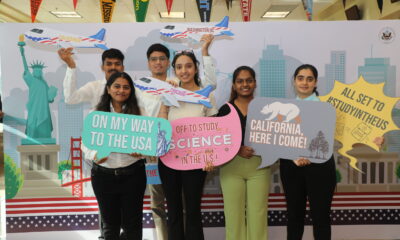
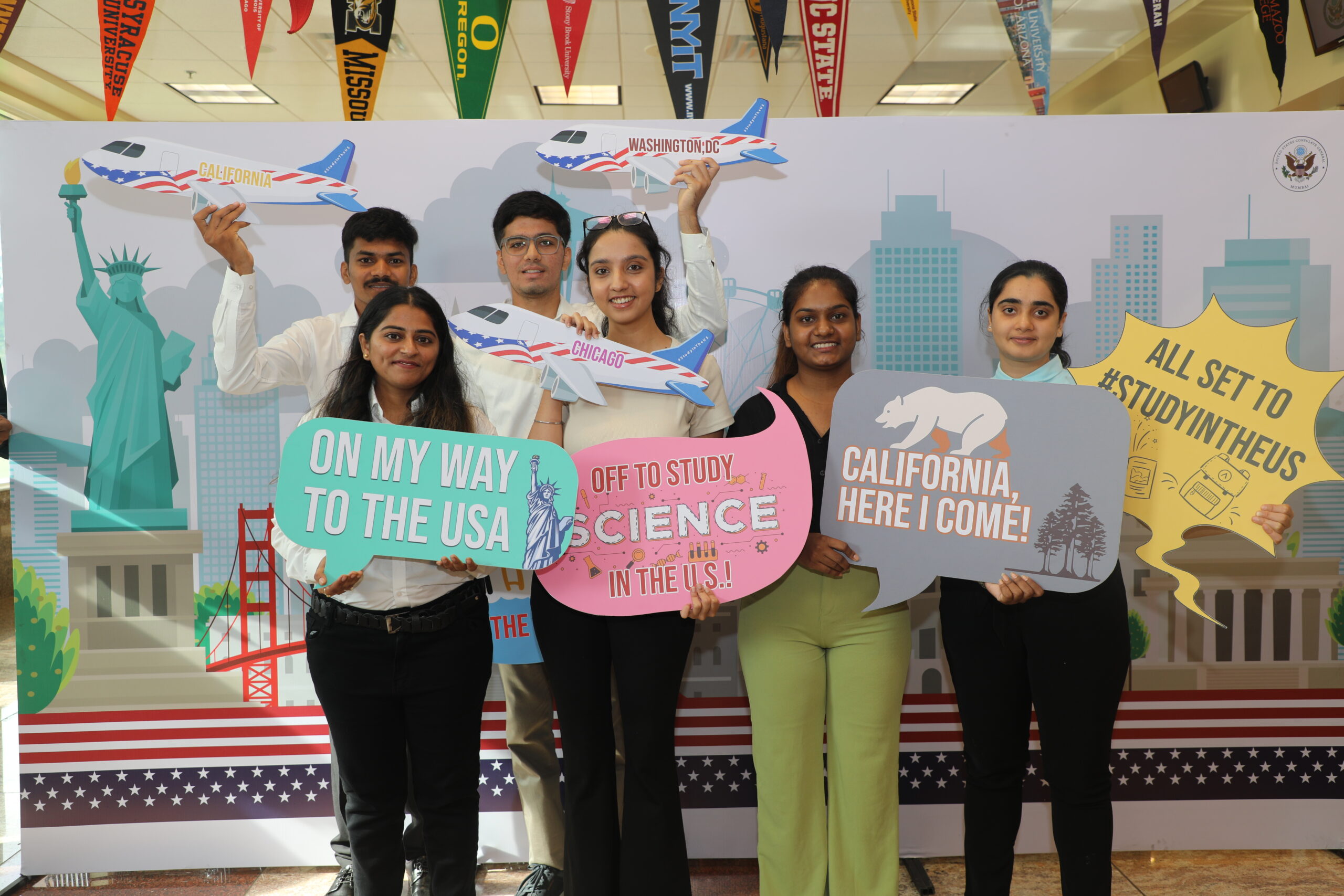
The turbulence in the US’s policies for international students has significant implications for the higher Education Dreams of Indian Students. For years, the United States has been the first choice for Indians dreaming of studying abroad. Top universities, great job opportunities, and the American lifestyle have attracted lakhs of Indian students to enrol in the US education ecosystem.
However, the situation today is contrastingly different. Under President Donald Trump’s second term, the policy framework has been altered in a significant manner. Strict visa rules have been applied, job options have shrunk, and overall costs have risen exponentially. Collectively, these changes have made a big dent in the popularity of the US education system and made the country a less attractive destination for Indian students.
Dwindling Visa Numbers
One of the biggest problems Indian students face is getting a student visa (called the F-1 visa). In 2023, over 130,000 Indian students got these visas, and the number dropped to around 86,000 in 2024. The reason behind this drop is the stricter visa policies adopted by the U.S. government of late. The verification checks have been hardened, with many Indian students claiming their visas have been revoked even after arriving in the US. This has caused quite a panic and uncertainty among families.
Decreasing Work Opportunities
International students in the US can apply for Optional Practical Training (OPT) after their graduation. It lets them stay in the country for a year (or up to three years for STEM students) to work and gain experience. This is very important because it helps students recover the high costs of studying abroad and find permanent jobs. However, under Trump’s leadership, new rules are being framed that make it harder to apply. Some new laws are even proposing to tax OPT earnings, making it less attractive for employers to hire international students. This means many Indian students who want to work in the U.S. after graduation may have to leave sooner than planned.
Harder H1B Visa Rules
The H‑1B visa is used by American companies to hire skilled workers from other countries, especially in technology. Many Indian students rely on this visa to stay and work in the U.S. after finishing OPT. But the Trump administration wants to put a leash on it as well. There are new rules requiring companies to pay higher salaries and stricter checks, which may reduce the number of Indian workers getting H-1Bs. Politicians have also made statements about ending H-1B visas for Indian workers, which has created fear among Indian students planning long-term careers in the U.S.
Rising Living Costs
Studying in the US has always been expensive, but now it’s getting even higher. University fees are rising, and coupled with a loss in Rupee value, U.S. education could become more expensive going forward. Since many Indian students take loans to study abroad, this creates a huge financial burden. The uncertainty due to Trump’s policies is adding to the financial fear, leading many to withdraw their plans or redirect to other countries.
Psychological Stress
All uncertainties mentioned above have created a lot of mental pressure. Students are reconsidering whether to work part-time jobs, as it might affect their visa status. There are also apprehensions while travelling outside the US because students fear they may not be allowed back in. Equally worried are students’ parents in India, as they fear that their lifelong savings might prove unproductive.
Rise of Alternative Destinations
As the U.S. becomes harder to access, Indian students are exploring Canada, the UK, Australia, Germany, and France to pursue their higher education. These countries offer more student-friendly policies along with an affordable cost structure to academics. Students get easier access to jobs here after graduation and can enjoy better work rights too. In comparison to the current US scenario, these alternative destinations emerge as more viable alternatives.
Conclusion
The US has remained the top destination for Indian students for many years. However, the recent policies under Donald Trump might change the scenario. With stricter visa rules and spiralling costs, the American Dream is becoming less attractive. While some still find it worthwhile, a majority is flocking to alternative countries to pursue their higher education. For now, the US is rapidly falling off the choice list of Indian students, and it will take considerable effort for US lawmakers to regain the trust of Indians and bring them back to the US universities.
Authored by: Kalpesh Banker, Managing Partner at EduShine Search Partner