The Government of India wants to be facilitators, mentors and partners for women's growth: Shri Dharmendra Pradhan, Union Minister of Education - Business Guardian
Connect with us

Education

The Government of India wants to be facilitators, mentors and partners for women’s growth: Shri Dharmendra Pradhan, Union Minister of Education

Published

on

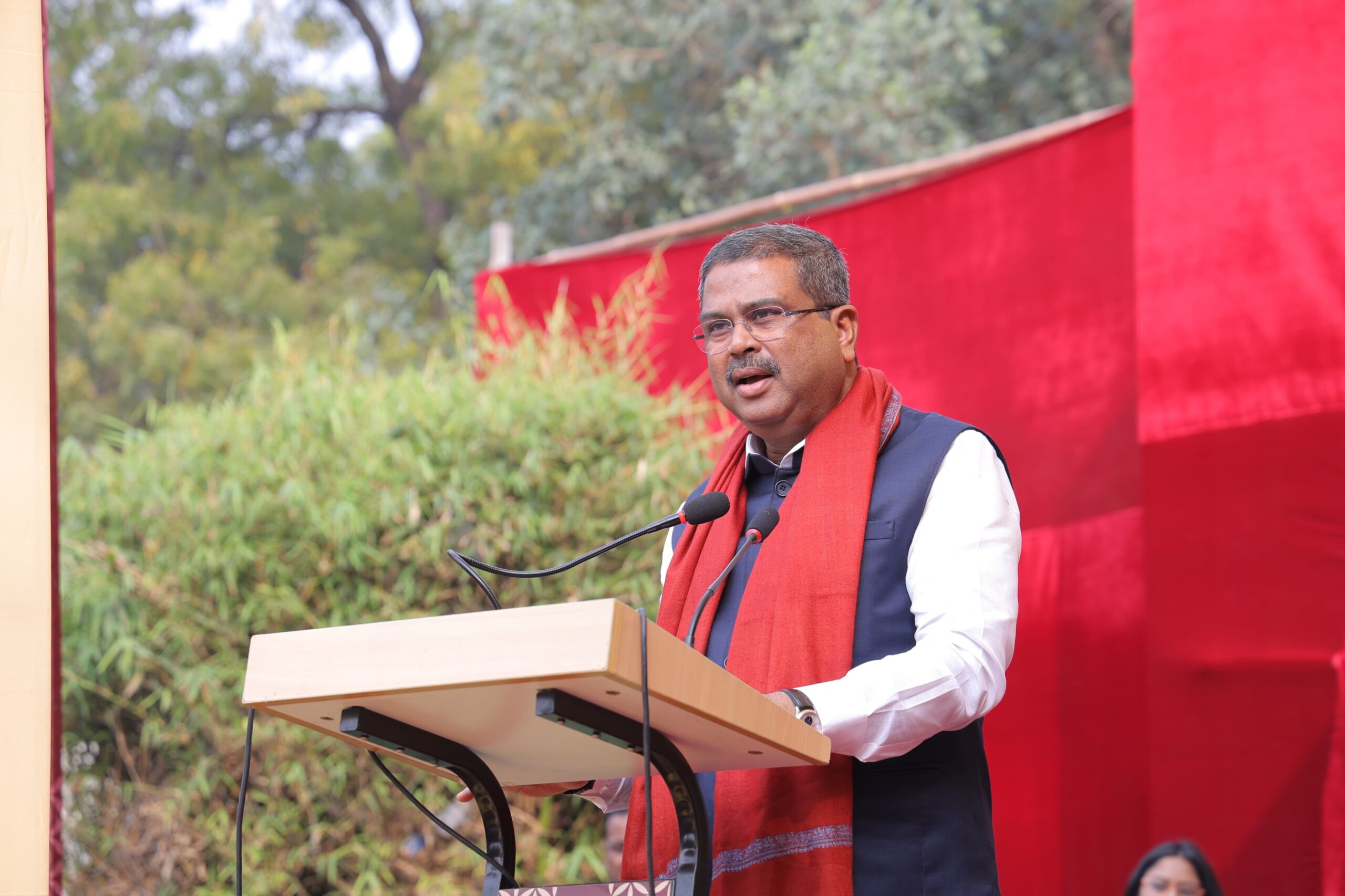
“It is in the Indian DNA to enable women empowerment, not just theoretically, but also in practical terms,” said Union Minister of Education, Shri Dharmendra Pradhan at the graduation ceremony of The Vedica Scholars Programme for Women, Class of 2024. “I can say with confidence that the Vedica Scholars Class of 2024 will be the future global leaders,” he added. Leaving the scholars with a challenge for the future, he said, “Today, you’re job seekers, but I want you to become job creators in the next decade.”

Vedica is a pioneering programme for women that blends management practice, liberal arts, personal growth, and effective communication into a single, holistic curriculum. Backed by a distinguished Governing Council, including Gita Mittal (Former Chief Justice of the Jammu and Kashmir High Court), Meenakshi Gopinath (Educationist and Former Principal, Lady Shri Ram College), and Tara Singh Vachani (Managing Trustee, Max India Foundation), and a Global Advisory Council comprising renowned experts like Tiger Tyagarajan (Founding Member and Former CEO, Genpact), Joanna Barsh (Director Emeritus, McKinsey and Company), and Utsav Baijal (Partner and Head of India Private Equity, Apollo Mumbai), Vedica has emerged as a pioneering institution empowering women to advance their careers. Now in its 10th year, the programme remains committed to increasing the number of women in the workforce and supporting their continued growth and success.

Highlighting the achievements of female leaders, the Minister inspired the graduating class: “You’re graduating at a time when the President of India is Shrimati Draupadi Murmu. Coming from an economically weaker background, she was perhaps the first in her village to go to school, and she worked hard till she became the President of the largest democracy in the world. You’re graduating at a time when the budget was presented for the seventh consecutive time by Shrimati Nirmala Sitharaman.”

He also acknowledged the success of global women leaders such as Indra Nooyi, Priyanka Chopra, and Kiran Mazumdar-Shaw.

Founded by Anuradha Das Mathur and Pramath Raj Sinha in 2015, the Vedica Scholars Programme has played a pivotal role in addressing gender disparity in leadership, empowering over 800 women to date. According to several estimates, women’s participation in the workforce can have a transformative impact on India’s economy. Recognising this, the Government of India is pivoting from ‘women’s development’ to ‘women-led development’ through initiatives such as term loans up to INR 2 crore for first-time women entrepreneurs and supporting programmes that enhance access to career opportunities. Vedica’s unique approach aligns with this national priority, equipping women with multidisciplinary training and industry exposure to contribute effectively to the economy and thrive in leadership roles.

“As we mark our 10th year, Vedica remains steadfast in its mission to significantly increase the number of women in the workforce – we do this through a carefully curated management programme for women that equips them to pursue breakfree careers ,” said Anuradha Das Mathur, Founder and Dean of the Vedica Scholars Programme. “We have created an ecosystem where women are empowered with skills, mentorship, and the confidence to navigate any workplace. Our alums have a drop-out rate of less than 10% – and that is the real testament to the impact of Vedica’s approach.”

The success of Vedica’s scholars is evident in this year’s placements. Graduates from the current batch have secured roles at leading firms such as Aditya Birla Capital, KPMG, Zomato, and MakeMyTrip, with the highest annual package reaching 20 lakhs. Scholars from diverse backgrounds join industries spanning consulting, technology, finance, and social enterprises, reflecting the programme’s capability to unlock varied career paths. Upon graduation, they emerge with versatile skillsets, poised to thrive in the dynamic work environment.

Beyond academic rigour, Vedica nurtures real-world exposure through initiatives like the ‘Shadow a Woman Leader’ module. This module pairs scholars with senior women leaders from top companies, including McKinsey, Coca Cola, Airtel Payments Bank, and Godrej Capital, providing invaluable mentorship. The institution also places strong emphasis on confidence, communication excellence, and career navigation, ensuring scholars are equipped to lead in dynamic work environments.

As Vedica enters its second decade, it has an audacious mission – to ensure women can pursue break-free careers. By continuously adapting to the changing workforce landscape and deepening its industry partnerships, Vedica is poised to expand its impact and drive lasting change in gender representation across leadership roles.

About Vedica

The Vedica Scholars Programme for Women is an 18-month full-time, residential management and leadership program in Delhi, India, designed to prepare women for successful professional careers. More than just an academic course, Vedica is a transformative journey that equips women with confidence, critical thinking, and a lifelong network to lead with impact and purpose.



The Daily Guardian is now on Telegram. Click here to join our channel (@thedailyguardian) and stay updated with the latest headlines.

For the latest news Download The Daily Guardian App.

Education

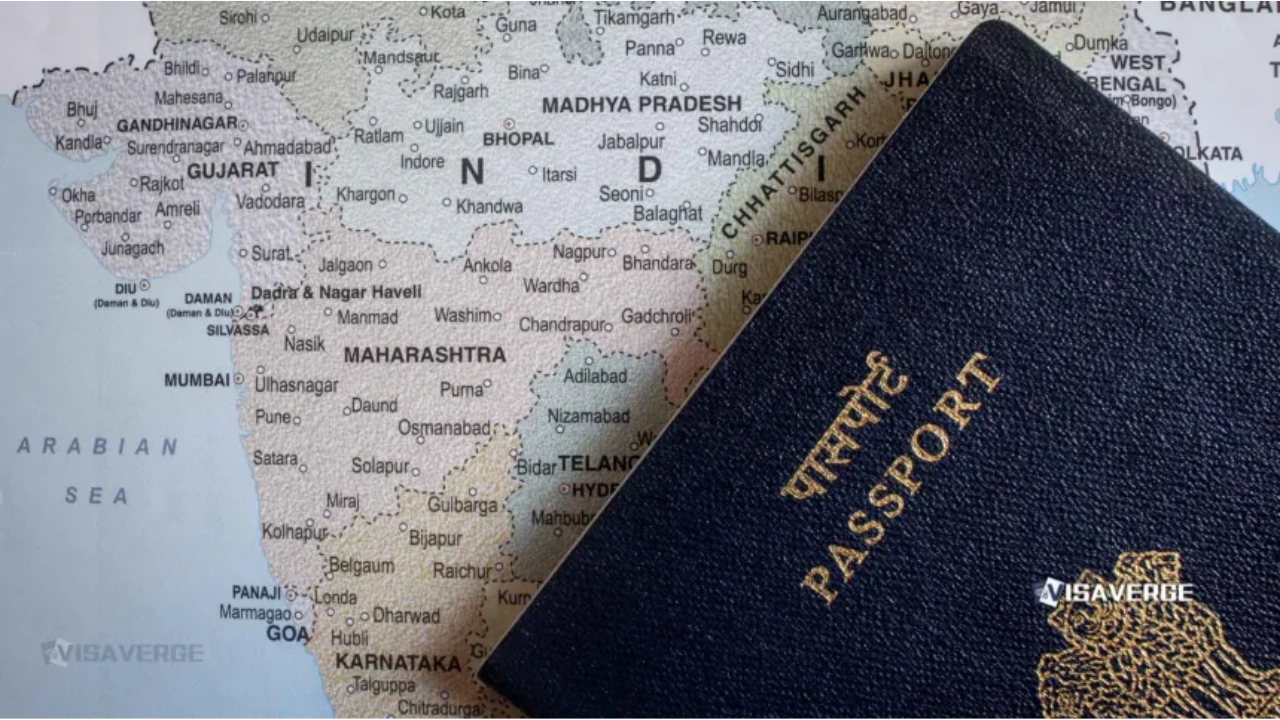
Impact of Trump’s Policies on Indian Students’ International Education Dreams

Published

on

Impact of Trump's Policies on Indian Students’ International Education Dreams

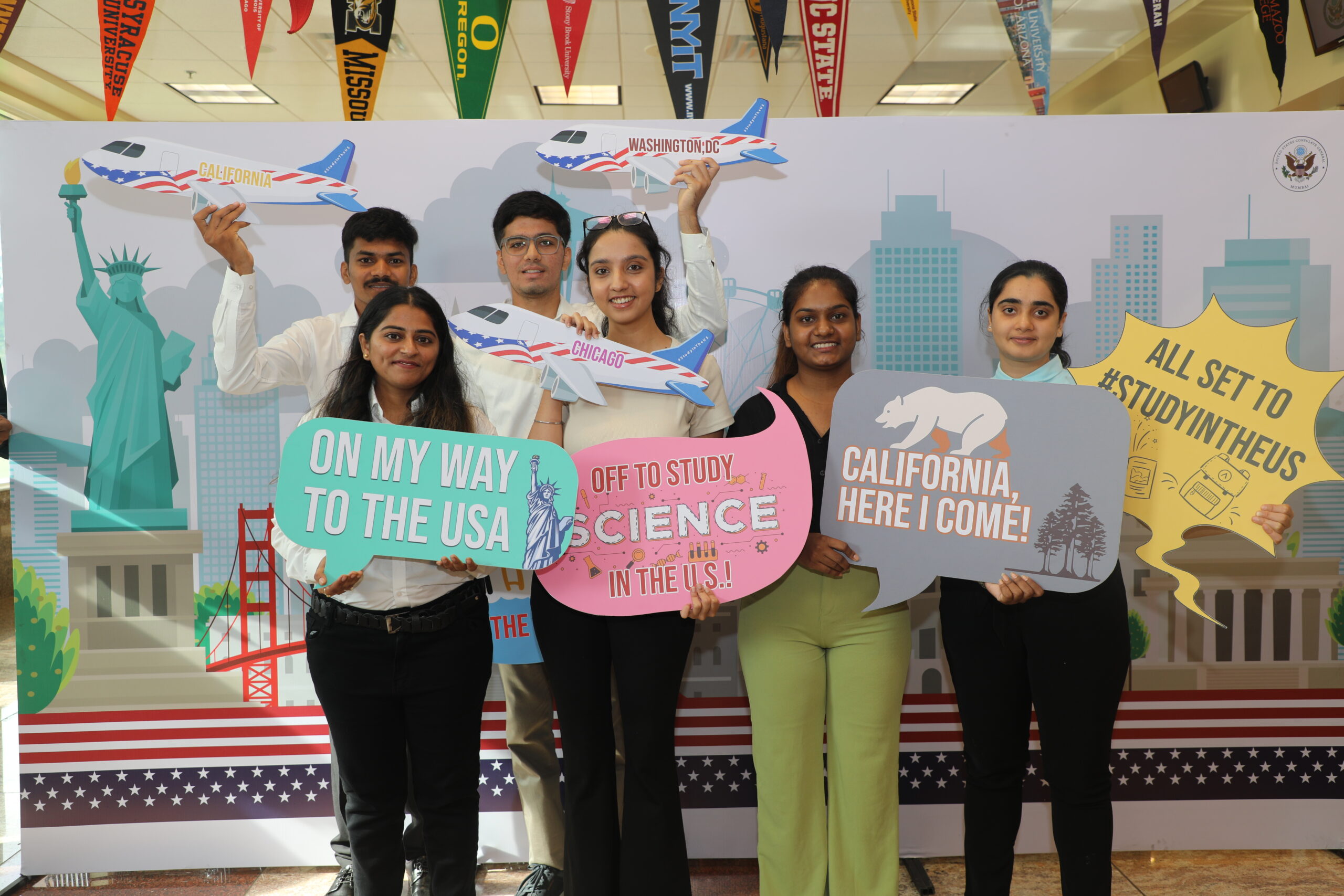
The turbulence in the US’s policies for international students has significant implications for the higher Education Dreams of Indian Students. For years, the United States has been the first choice for Indians dreaming of studying abroad. Top universities, great job opportunities, and the American lifestyle have attracted lakhs of Indian students to enrol in the US education ecosystem.

However, the situation today is contrastingly different. Under President Donald Trump’s second term, the policy framework has been altered in a significant manner. Strict visa rules have been applied, job options have shrunk, and overall costs have risen exponentially. Collectively, these changes have made a big dent in the popularity of the US education system and made the country a less attractive destination for Indian students.

Dwindling Visa Numbers

One of the biggest problems Indian students face is getting a student visa (called the F-1 visa). In 2023, over 130,000 Indian students got these visas, and the number dropped to around 86,000 in 2024. The reason behind this drop is the stricter visa policies adopted by the U.S. government of late. The verification checks have been hardened, with many Indian students claiming their visas have been revoked even after arriving in the US. This has caused quite a panic and uncertainty among families.

Decreasing Work Opportunities

International students in the US can apply for Optional Practical Training (OPT) after their graduation. It lets them stay in the country for a year (or up to three years for STEM students) to work and gain experience. This is very important because it helps students recover the high costs of studying abroad and find permanent jobs. However, under Trump’s leadership, new rules are being framed that make it harder to apply. Some new laws are even proposing to tax OPT earnings, making it less attractive for employers to hire international students. This means many Indian students who want to work in the U.S. after graduation may have to leave sooner than planned.

Harder H1B Visa Rules

The H‑1B visa is used by American companies to hire skilled workers from other countries, especially in technology. Many Indian students rely on this visa to stay and work in the U.S. after finishing OPT. But the Trump administration wants to put a leash on it as well. There are new rules requiring companies to pay higher salaries and stricter checks, which may reduce the number of Indian workers getting H-1Bs. Politicians have also made statements about ending H-1B visas for Indian workers, which has created fear among Indian students planning long-term careers in the U.S.

Rising Living Costs

Studying in the US has always been expensive, but now it’s getting even higher. University fees are rising, and coupled with a loss in Rupee value, U.S. education could become more expensive going forward. Since many Indian students take loans to study abroad, this creates a huge financial burden. The uncertainty due to Trump’s policies is adding to the financial fear, leading many to withdraw their plans or redirect to other countries.

Psychological Stress

All uncertainties mentioned above have created a lot of mental pressure. Students are reconsidering whether to work part-time jobs, as it might affect their visa status. There are also apprehensions while travelling outside the US because students fear they may not be allowed back in. Equally worried are students’ parents in India, as they fear that their lifelong savings might prove unproductive.

Rise of Alternative Destinations

As the U.S. becomes harder to access, Indian students are exploring Canada, the UK, Australia, Germany, and France to pursue their higher education. These countries offer more student-friendly policies along with an affordable cost structure to academics. Students get easier access to jobs here after graduation and can enjoy better work rights too. In comparison to the current US scenario, these alternative destinations emerge as more viable alternatives.

Conclusion

The US has remained the top destination for Indian students for many years. However, the recent policies under Donald Trump might change the scenario. With stricter visa rules and spiralling costs, the American Dream is becoming less attractive. While some still find it worthwhile, a majority is flocking to alternative countries to pursue their higher education. For now, the US is rapidly falling off the choice list of Indian students, and it will take considerable effort for US lawmakers to regain the trust of Indians and bring them back to the US universities.

Authored by: Kalpesh Banker, Managing Partner at EduShine Search Partner

Continue Reading

Education

Techno India partners with Google Cloud to advance Digital Education

Published

on

Techno India Group’s partnership with Google Cloud represents a major advancement in educational technology in India. Led by Meghdut Roychowdhury, Chief Innovation Officer and Executive Director, this collaboration seeks to transform the educational sector, bringing it in line with international standards and the needs of today’s digital economy.

Innovative Education for a Digital Future

The collaboration introduces the ‘Digital Campus on Google Cloud’ Program at Techno India, transforming the way education is delivered. This initiative will provide students and faculty with access to advanced cloud computing services, big data analytics, and machine learning capabilities, ensuring that the Techno India community is at the forefront of technological integration in education.

Empowering the Next Generation of Professionals

The curriculum at Techno India – School of the Future goes beyond traditional academic boundaries, offering specialized tracks such as Associate Cloud Engineer and Data Analyst. These programs are designed to equip students with both technical skills and managerial acumen, making them not just participants in their education but active contributors to the evolving tech landscape.

This collaboration not only enhances educational access and quality but also significantly improves the security protocols and infrastructure at Techno India. By migrating operations to Google Cloud, the institution sets a new standard for educational institutions worldwide, emphasizing the importance of secure and efficient technological frameworks.

Techno India is not merely responding to educational needs but actively shaping future educational paradigms. “This partnership with Google Cloud is a step towards making Kolkata a hub of progressive education and technological excellence,” said Meghdut Roychowdhury, Chief Innovation Officer at Techno India. “We are inviting students, educators, and industry leaders from around the world to join us in this exciting journey, to contribute to and witness the resurgence of Kolkata. Let’s come together to ‘Make Calcutta Relevant Again’ and set a global benchmark in education.”

Google Cloud is delighted to collaborate with Techno India University.

Continue Reading

Education

Isha Ambani urges more Girls in STEM for India’s shine

Published

on

Isha Ambani, Director of Reliance Industries Limited, emphasized the pivotal role of girls entering STEM fields for India’s advancement.

Isha Ambani, Director at Reliance Industries Limited, emphasized the importance of increasing female participation in STEM fields and choosing technology careers for India’s advancement. Addressing virtually on the occasion of ‘Girls in Information and Communications Technology (ICT) Day India 2024’, she said if “we are to build the India of our dream, technology will be our driving force, and both men and women in Science and Technology must fire on all cylinders.”

She asserted that in the ever-evolving landscape of the technology industry, the under-representation of women in the workforce is a debilitating reality. “The gender gap does not only signify gender bias, but it is also a hurdle in the path of innovation.”

Closing this divide is a strategic imperative, necessary for the industry’s, as well as the society’s, holistic growth, she said.

While women make up 36 per cent of India’s tech workforce, their presence drops drastically as one starts looking up the corporate hierarchy. For instance, she asserted that only 7 per cent women held executive-level positions; only 13 per cent were working in director-level roles; and a mere 17 per cent held mid-managerial positions.

Citing NASSCOM data, Isha Ambani said only 36 per cent of India’s tech workforce are women.

Then, citing World Bank data, she said that women make up 43 per cent of the total STEM graduates in India, but account for only 14 per cent of all scientists, engineers, and technologists.

“Even the new-age start-up ecosystem is grappling with the problem of dismal participation of women. Limited access to funding and resources for female-led start-ups and businesses continues to contribute to the under-representation of women in leadership roles.”

Women are no less suited to be leaders and change-makers than men, she noted.

Continue Reading

Education

India’s airports gear up for takeoff with training push

Published

on

Responding to the increasing demand for skilled personnel in the aviation industry, the state-owned Airports Authority of India (AAI) has announced plans to offer training programs in airport infrastructure, operations, and air navigation services. AAI chairman Sanjeev Kumar revealed in an internal communication that memorandums of understanding (MoUs) have been signed with nearly 100 educational institutions located within a radius of 25-40 km of AAI airports across the country.

The training programs are designed to provide students with practical knowledge and hands-on experience in various areas of airport management. They will include 2-5 day visits, workshops, and internships ranging from 4 to 20 weeks in duration. These initiatives aim to equip students with skills relevant to the aviation industry, covering fields such as science, technology, engineering, mathematics, and other domains.

Participants will gain insights into air traffic flow management, airport operation services, communication, navigation, surveillance, engineering, air traffic management, architecture, finance, fire services, and human resource management, among other areas. The training program will be open to students pursuing graduation, post-graduation, or professional degree courses from educational institutions near AAI airports.

Experts view this initiative as a significant step towards nurturing quality aviation talent in India, particularly amidst the expansion plans of Indian airlines and the government’s efforts to establish multiple aviation hubs across the country. With over 1,600 aircraft in the pipeline for Indian airlines, the demand for skilled professionals in the aviation sector is expected to rise significantly in the coming years.

The training program aligns with the broader trend of partnerships between airlines, airports, and educational institutions to address the growing demand for aviation talent. While airlines like IndiGo and Air India are investing in large-scale training academies for pilots and cabin crew, aviation giants such as Airbus and Boeing are also exploring opportunities to contribute to the development of the aviation ecosystem.

In March, Airbus signed a contract with the Indian Institute of Management in Mumbai (IIM Mumbai) to provide aviation education to professionals. The collaboration aims to equip aspiring and working professionals with industry-ready skills through short-term aviation courses covering areas such as aviation logistics, supply chain management, operations excellence, cargo handling, strategic procurement, business analytics, and digitization.

The demand for air travel in India has been steadily increasing, with airlines carrying a record number of passengers in 2023, totalling 152 million passengers. This represents a 23% increase compared to 2022 and more than a 5% rise compared to pre-COVID levels in 2019.

India’s air traffic has exhibited significant growth, recording a remarkable 147% increase between 2013 and 2023. Overall, the AAI’s initiative to provide training programs in collaboration with educational institutions underscores the importance of investing in talent development to support the growth and sustainability of the aviation industry in India.

Continue Reading

Education

US tops choice for Indian students seeking higher education (69%)

Published

on

According to the Oxford International’s Student Global Mobility Index (SGMI), the United States remains the top destination for Indian students pursuing higher education abroad, despite concerns about affordability, safety, and security. The survey-based study reveals that 69% of Indian students prefer the US, followed by the UK at 54%, Canada at 43%, and Australia at 27%. The quality of education and the reputation of universities are cited as top reasons for Indian students choosing a country for higher education.

In the US, 45% of students value the quality of education, while 42% appreciate the reputation of its universities. Conversely, in the UK, 59% focus on the quality of education, and 61% on the reputation of institutions. This highlights the importance of educational standards and institutional prestige in attracting international students.

The SGMI survey reveals that parents and guardians play a significant role in the decision-making process, with 71% of Indian students citing them as the main influencers. This trend is consistent among students from other countries like Nigeria, Pakistan, and Vietnam. Additionally, 44% of Indian students also consider their closest friends as influential.

While affordability is a concern, 28% of Indian students choose the UK due to its reasonable course fees. However, scholarship opportunities significantly influence destination choices, with 34% of all surveyed students preferring Australia for its scholarships, followed by Canada, the UK, and the US.

The study highlights the role of higher education agents in providing information to students. 35% of Indian students engage with such agents when deciding on courses and universities. This indicates the importance of intermediary sources in facilitating the decision-making process for international students.

Despite concerns about affordability, safety, and security, the US remains the preferred destination for a majority of Indian students planning to study abroad. The quality of education, reputation of universities, and influence of parents and guardians play crucial roles in shaping their decisions. Additionally, affordability and scholarship opportunities also impact destination choices.

Continue Reading

Tech

Kerala to train 80,000 secondary school teachers in AI

Published

on

In a pioneering move towards integrating artificial intelligence (AI) into the education sector, the Kerala government has announced a comprehensive three-day training program for over 80,000 state secondary school teachers. Scheduled to commence from May 2, the initiative is spearheaded by the Kerala Infrastructure and Technology for Education (KITE) with a vision to equip teachers with essential AI expertise by August 2024.

The program aims to empower teachers of classes 8 to 12 with hands-on training in AI techniques tailored to enhance teaching and learning experiences. According to a press release, the training will cover a wide array of AI applications, including summarization techniques for simplifying complex documents in various formats such as PDFs, images, and videos. Teachers will be trained to generate concise summaries while retaining crucial information and even creating new content using AI tools.

Additionally, the training curriculum includes sessions on image generation techniques, enabling teachers to create and edit subject-specific visuals, transform them into cartoons or paintings, and integrate text seamlessly. Prompt Engineering and Machine Learning segments will offer insights into formulating precise prompts essential for effective AI tool utilization and understanding programming mechanisms.

Through data visualization exercises, teachers will explore the potential of AI in creating presentations and animations, along with customizing tables, graphs, and charts to cater to specific educational requirements. The training will also focus on AI techniques for assessment purposes, empowering teachers to design various question formats, including unit tests, thereby enhancing the evaluation process.

K Anvar Sadath, Chief Executive Officer of KITE, highlighted the program’s objective to foster a culture of responsible AI usage and mitigate potential risks associated with AI. Teachers will engage in activities aimed at creating their avatars to gain insights into concepts like deepfakes, privacy concerns, and algorithm bias.

Continue Reading

Trending